Does Diatomaceous Earth Kill Ants? Here’s What You Should Know
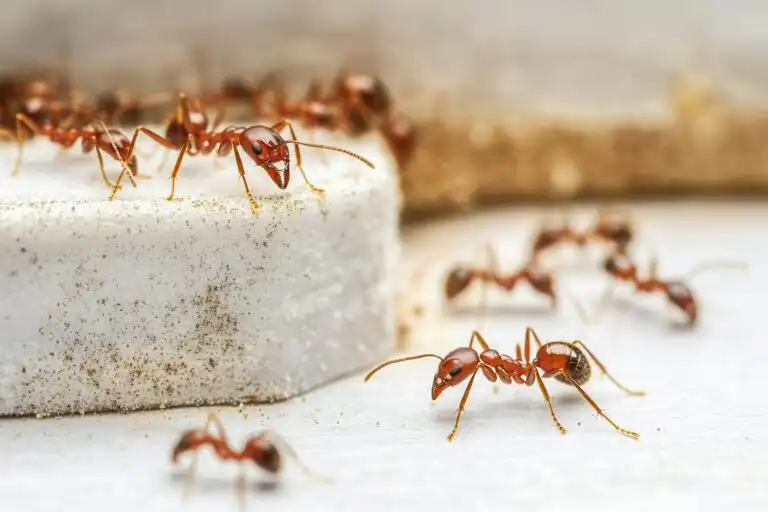
If you’re dealing with an ant infestation in your home, you may have heard of diatomaceous earth (DE) as a natural solution. But does diatomaceous earth kill ants? Can it handle carpenter ants, or is it more effective on smaller species? In this article, we’ll explore everything you need to know about using diatomaceous earth to kill ants, its effectiveness, and when it’s time to contact an exterminator for professional pest control.
Whether you’re searching for pest control or trying a DIY approach with DE, this guide will provide valuable insights to help you make the best decision for your home.
What Is Diatomaceous Earth?
Diatomaceous earth (DE) is a natural, soft powder made from the fossilized remains of diatoms, microscopic aquatic organisms. At first glance, it may seem harmless, like flour or baby powder. However, under a microscope, DE particles are razor-sharp and abrasive to insects, including ants.
When using diatomaceous earth for ants, it works by physically damaging the ants’ exoskeletons, leading to dehydration and eventual death. The great thing about DE is that it’s not toxic, making it an excellent option for eco-friendly pest control in Chilliwack.
It’s important to note that only food-grade diatomaceous earth should be used for pest control, as filter-grade DE is not safe around humans or pets.
How to Kill Ants with Diatomaceous Earth
When you’re asking how to kill ants with diatomaceous earth, here’s how you can use it effectively:
- Apply a Thin Layer: A light dusting is most effective. Ants need to walk over the powder to be affected. Sprinkle DE along known ant trails, at entry points, and around baseboards.
- Use Dry Areas: DE works best when dry. Avoid using it in wet areas, as moisture will cause the powder to clump and lose its effectiveness.
- Target Known Ant Trails: If you’ve been tracking ants around your kitchen, bathroom, or yard, sprinkle DE where you’ve seen the most activity. This ensures the ants come into contact with the powder.
- Reapply After Cleaning or Rain: DE loses its potency when it gets wet, so reapply after cleaning or after a rainstorm if you’re using it outside.
Using diatomaceous earth for ants can help reduce the visible signs of an infestation, but it’s often most effective when combined with other methods, like baiting.
Will Diatomaceous Earth Kill Carpenter Ants?
A frequently asked question is: Will diatomaceous earth kill carpenter ants? While DE can kill carpenter ants that come into contact with it, this species presents a unique challenge.
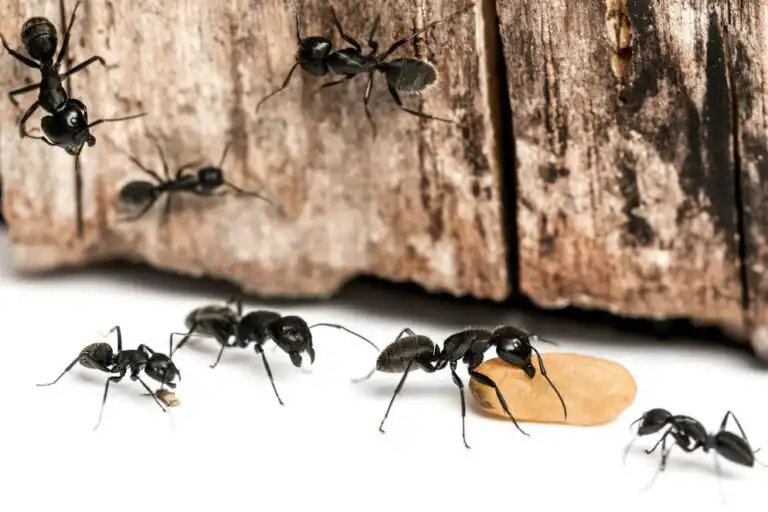
These are known for nesting in wood, often deep within the structure of your home. While DE can eliminate ants that travel across the powder, it won’t reach those deep inside wooden nests or behind walls. For larger infestations, especially those involving carpenter ants, you may need a more targeted approach. This is where carpenter ant control methods, such as professional treatments, become necessary to fully eliminate the colony and prevent further damage to your home.
If you’re struggling with ants in your home, it may be time to consider professional Chilliwack pest control to ensure that the entire colony is treated effectively.
How to Use Diatomaceous Earth to Kill Ants
Wondering how to use diatomaceous earth to kill ants? Here’s the best approach:
- Step 1: Identify Active Ant Trails: Start by locating where the ants are most active. Look around windows, doors, baseboards, and kitchen counters.
- Step 2: Apply a Light Dusting: Use a duster or shaker to apply a thin layer of DE to these areas. A thick application will deter ants from walking through it, so less is more.
- Step 3: Wait and Observe: Allow the DE to sit for several days and keep an eye on the ant population. The ants should begin to disappear as they die off from dehydration.
DE is a simple, non-toxic solution, but it may take several days to fully rid your home of ants. If the problem persists, it might be time to consult an exterminator in Chilliwack for a more comprehensive pest control solution.
Is Diatomaceous Earth Effective for All Ant Species?
While diatomaceous earth is effective against many ant species, not all ants are equally susceptible to its effects. Surface-traveling ants like odorous house ants and pharaoh ants are more likely to come into contact with DE and be killed.
However, carpenter ants, which nest deep inside wood or within walls, may not encounter the DE unless it’s applied directly to their nesting sites, which is often difficult. In these cases, DE may provide temporary relief, but professional pest control solutions are more effective.
When Should You Call a Professional Exterminator?
If you’ve used diatomaceous earth to kill ants but the problem persists, or if you’re dealing with an extensive infestation, it may be time to call an exterminator. Professional pest control experts can conduct a thorough inspection, identify the ant species, and treat the nest directly.
Our certified technicians are equipped with the latest tools and techniques to eliminate ants and other pests safely and effectively. Whether you’re dealing with small ants or larger, more destructive species like carpenter ants, our team is here to help.
FAQs About Diatomaceous Earth and Ant Control
1. How does diatomaceous earth kill ants?
Diatomaceous earth kills ants by damaging their exoskeletons, causing dehydration and death. It’s a physical method of pest control, not a chemical one.
2. Will diatomaceous earth kill carpenter ants?
Diatomaceous earth can kill carpenter ants that come into contact with it, but it may not be effective against infestations deep inside walls or in wood.
3. How long does diatomaceous earth take to kill ants?
DE typically kills ants within 2 to 5 days, depending on the infestation size and the ant species.
4. How do I use diatomaceous earth to kill ants?
Sprinkle a thin layer of food-grade diatomaceous earth along ant trails and entry points. Reapply as needed, especially after cleaning or rain.
5. When should I call a professional pest control expert in Chilliwack?
If you’ve tried using diatomaceous earth and the ants persist, or if you’re dealing with a large infestation, it’s time to call for expert help.
Conclusion
While diatomaceous earth can be an excellent tool for controlling ants, it’s important to understand its limitations, especially when dealing with carpenter ants or large infestations. If you’re unsure whether DE is enough or need help managing a persistent ant problem, Seaside Pest Control Inc. is here to assist with an effective solution.
For comprehensive, eco-friendly pest control, schedule a consultation with us today!
Other related blogs:
Pavement Ants vs. Carpenter Ants: What’s the Difference?
How To Get Rid Of Carpenter Ants: Carpenter Ant Killer Guide