The Surprising Truth About Wasp Lifespans And What It Means for Your Home
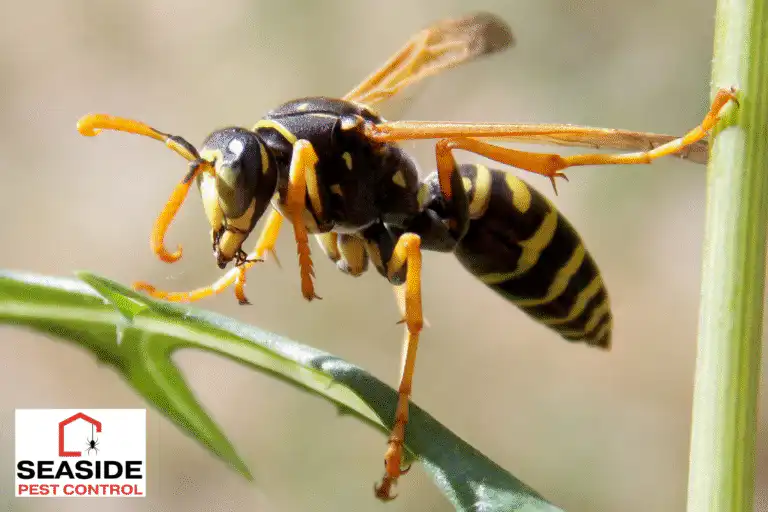
When most people think of wasps, they picture buzzing intruders crashing outdoor picnics or nesting under the eaves of their homes. But beneath their stingers and stealth lies a fascinating biological clock. So, how long do wasps stay active? The answer may surprise you, and it has important implications for homeowners looking to prevent infestations.
The Average Wasp Lifespan: A Brief but Impactful Life
The life expectancy of wasps varies greatly depending on the type, their role in the colony, and environmental conditions. On average:
- Worker wasps live around 12 to 24 days.
- Male wasps typically live just a few weeks.
- Queen wasps, however, can live up to one year, overwintering to start a new colony in spring.
While their individual lifespans may seem short, their presence is felt for months due to overlapping generations and the queen’s ability to produce hundreds of eggs throughout the summer. Understanding a wasp’s lifespan helps homeowners recognize the timeline for potential infestations and act early.
How Long Can a Wasp Survive Indoors?
How long can a wasp live indoors? The answer often depends on their access to food and water. In an indoor environment with limited resources, wasps may survive only a few days. However, if they find their way into attics, crawl spaces, or basements with favorable conditions, they can live much longer and even become a recurring issue.
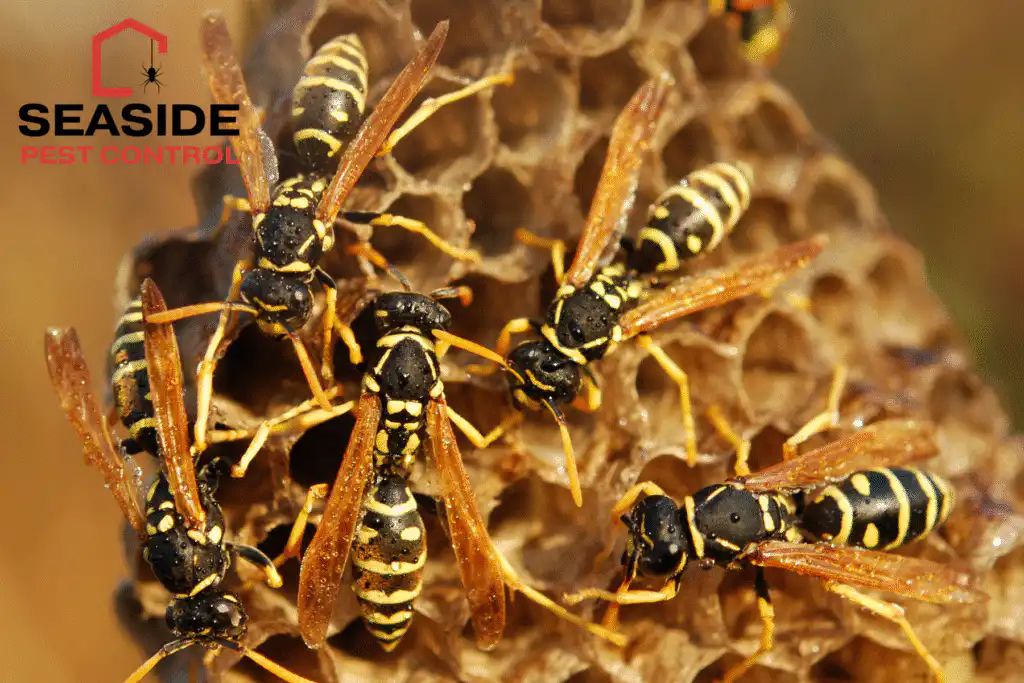
Indoor nests are rare but not impossible, especially when entry points exist and the conditions are right. Identifying wasp nests early can prevent long-term nesting problems.
The Lifespan of a Hornet: Is It the Same as a Wasp?
While hornets are a type of wasp, their lifespan differs slightly. The lifespan of a hornet can be similar to that of other wasp species, with workers living 12 to 24 days and queens surviving up to a year. The most noticeable difference between hornets and other wasps is their aggressiveness and territorial nature, which can lead to more frequent stings when they feel threatened.
Wasp Activity and Timing: Why It Matters
Wasp activity begins in spring when queens emerge from their winter hiding spots and seek out safe places to establish nests. These nests might be in the ground, trees, wall cavities, or under porches. As the queen lays eggs and the colony grows, sightings by homeowners increase.
By mid-summer, colonies are at their peak. This is when wasps become most aggressive in search of food, often targeting outdoor gatherings, garbage bins, or pet food. Understanding their nesting behaviors and life cycle helps explain why treatment strategies must be timed appropriately to be effective.
Why Wasp Lifespan Knowledge Matters for Your Home
Knowing how long do wasps live and the rhythms of their life cycles gives homeowners a valuable edge. Here’s how this knowledge translates into action:
- Early prevention: Spotting queens in early spring is an opportunity to prevent nests from forming.
- Targeted treatments: Pest control in New Westminster during the colony’s peak in summer is most effective at reducing populations.
- Fall monitoring: As the colony dies out, queens look for shelter to survive winter. Sealing cracks and monitoring vulnerable areas can help prevent infestations next season.
Wasps Indoors Are Not Just Accidents
While it may seem like wasps flying around your living room are just lost stragglers, they could be scouts or displaced nest builders. Once inside, even a few wasps can create panic or lead to stings. If you’re consistently spotting wasps indoors, it could be a sign of a nearby or hidden nest.
Professional pest control in New Westminster, BC, becomes crucial when homeowners face recurring wasp sightings or aren’t sure where the infestation originates. Certified Technicians can identify nests, eliminate active colonies, and offer prevention strategies tailored to your home.
Preventing Wasps Year-Round
Many homeowners think of wasps as a summer issue, but wasp control is a year-round effort. Winter is when new queens hide, spring is when they emerge, summer is peak activity, and fall is when they prepare for overwintering. Staying ahead of these phases with proactive wasp control can prevent unwanted surprises.
Our Quarterly Service Subscription Program is designed for this cycle. Certified Technicians perform seasonal treatments and inspections to catch wasp activity before it escalates. This proactive approach not only limits infestations but also keeps your home safer throughout the year.
For homeowners who prefer immediate help, our One-Time Services also provide thorough treatments, backed by a 100-day warranty and unlimited visits during that period. It’s a great first step to test the waters before upgrading to ongoing protection.
Final Thoughts: Small Lifespan, Big Impact
Though individual wasps may only live a few weeks, the colonies they build and the stings they deliver can have a lasting impact. That’s why it’s important to stay vigilant, understand their life cycles, and take timely action. If you suspect wasps are nesting near or inside your home, don’t wait for the problem to grow.
About Seaside Pest Control Inc.
Seaside Pest Control Inc. is proud to provide trusted, effective solutions in New Westminster, BC, for residents and businesses across British Columbia. Based in the Lower Mainland, our team of Certified Technicians specializes in green and safe pesticide treatments for pests, including wasps, ants, rodents, bed bugs, spiders, and more. Whether you need one-time services or our Quarterly Service Subscription Program, our goal is to provide year-round protection and peace of mind.
Our treatments are strategically designed to identify, treat, and prevent infestations, with tailored solutions that consider local species and seasonal behaviors. As your exterminator in New Westminster, we ensure effective solutions to keep your property safe. Learn more about how we handle wasps by visiting our service page on how long wasps live.
Need Help with Wasps?
If you’re dealing with a wasp infestation or want to prevent one from happening, contact us today. Our Certified Technicians offer professional wasp control and pest management services in New Westminster and surrounding areas. Get a free quote or schedule a consultation now!
People Also Ask:
1. How long do wasps live in a nest?
The lifespan of a wasp in a nest can vary depending on its role. Worker wasps typically live around 12 to 24 days, while queens can live up to one year. The queen survives the winter to start a new colony in spring, while workers and males die off after completing their tasks. Knowing how long wasps live in their nests can help you identify the best time to eliminate active colonies
2. How long can a wasp survive indoors?
A wasp’s ability to survive indoors depends on its access to food, water, and shelter. Most wasps can survive only a few days without food, but under favorable conditions, such as attics or basements with warm temperatures and shelter, they can last much longer. If you notice multiple wasps indoors, it could indicate a nest nearby.
3. What attracts wasps to my home?
Wasps are often attracted to food sources like sugary drinks, fruit, and garbage. They are also drawn to sheltered areas to build their nests, such as under eaves, in wall cavities, or under porches. Ensuring that food is covered outdoors, and sealing potential nesting spots can help reduce wasp activity around your home.
4. How do I know if I have a wasp nest near my house?
Signs of a nearby wasp nest include frequent sightings of wasps flying in and out of a specific area, particularly near your home’s roof, attic vents, or walls. You might also notice wasps becoming more aggressive in late summer as they search for food. If you suspect a nest, it’s important to act quickly, as nests can grow rapidly and become more dangerous.
5. What is the best way to prevent wasps from entering my home?
Preventing wasps from entering your home starts with sealing entry points such as cracks, gaps around doors and windows, and vents. Keeping food sealed and eliminating outdoor waste can also discourage wasps from approaching your property. Professional services can help by inspecting and securing your home against wasp infestations before they become a problem.