What Do Mice Droppings Look Like? Seaside Pest Control Guide
When it comes to pest control, one of the clearest signs of a rodent infestation is droppings. If you’re dealing with a mouse problem, understanding what do mice droppings look like is essential for identifying an infestation early. Mice are stealthy creatures that often go unnoticed, but their droppings provide undeniable evidence of their presence. In this guide, we’ll explore what mouse droppings look like, what they mean for your home, and how rodent control in Surrey can help you tackle the issue effectively.
What Do Mice Droppings Look Like?
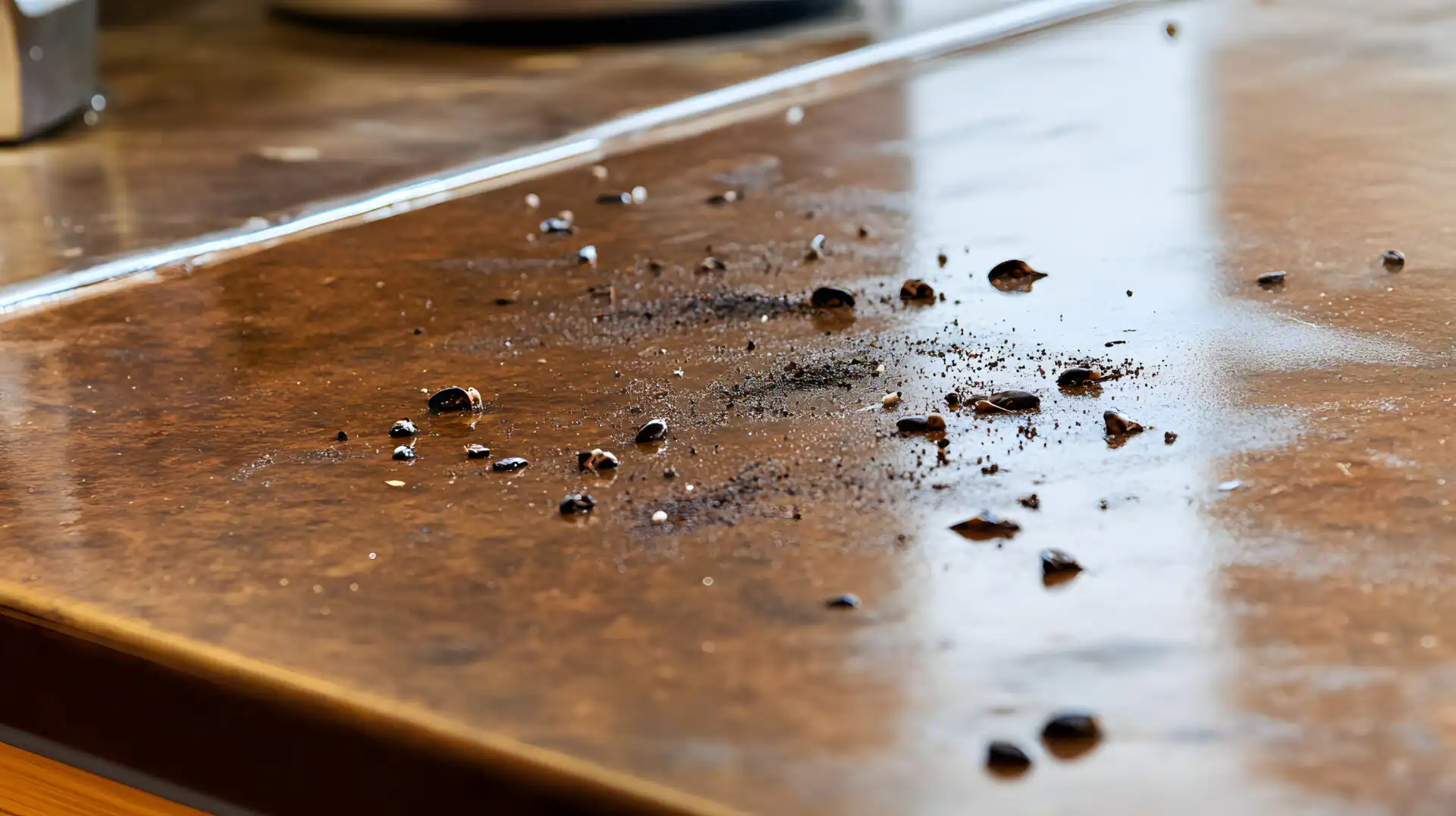
Mice droppings are small, dark, and pellet-shaped. They are often mistaken for droppings from other pests, but there are distinct characteristics that set them apart:
- Size and Shape:
Mice droppings are typically about 3 to 6 millimeters in length. They are narrow, cylindrical, and pointed, resembling tiny grains of rice. This shape helps distinguish them from other rodent droppings. - Color:
Fresh mouse droppings are dark brown or black and slightly shiny. Over time, they dry out and fade to a dull gray or white. - Texture:
Fresh droppings are soft and pliable, but as they age, they harden and become brittle, making them easier to crumble when handled. - Quantity:
Mice are prolific droppers, leaving behind 50 to 75 pellets per day. If you find large quantities of droppings, it’s a sign of an active infestation, and you may need professional rodent extermination services in Surrey to fully address the problem.
Where to Look for Mice Droppings
Mice prefer to live in hidden areas, so identifying droppings is an important step in determining the extent of the infestation. Here are common places to check:
- Kitchens and Pantries:
Mice are drawn to food sources, so check behind appliances, inside cabinets, and in pantry corners for crumbs or spills. - Basements and Attics:
These spaces often serve as nesting sites due to their low activity and accessibility. Droppings in these areas indicate that mice are making themselves at home. - Behind Furniture:
Droppings may accumulate behind couches, beds, or other large, immovable objects that mice can hide behind. - Near Entry Points:
Inspect around doors, windows, and any cracks or holes in walls where mice may be entering. Early detection of mouse droppings in house is key to effective Surrey rodent control.
What Do Mice Grease Marks Look Like?
In addition to droppings, you might also notice mice grease marks along walls or baseboards. These dark smudge marks are left behind by the natural oils on mice’s fur as they travel along the same paths repeatedly. These marks can help you pinpoint areas of high rodent activity, making it easier to locate nests and entry points for effective control.
Why Identifying Mice Droppings Is Important
Detecting mouse droppings in your house is more than just a sign of a pest problem; it’s a critical step in safeguarding your health and property. Droppings can carry dangerous pathogens, including:
- Hantavirus: A potentially life-threatening disease transmitted through inhaling dust contaminated with mouse droppings.
- Salmonella: Bacteria that can contaminate food and surfaces, leading to food poisoning.
- Allergens: Mouse droppings can trigger allergic reactions or asthma attacks in sensitive individuals.
Furthermore, mice chew through insulation, wires, and wood, causing significant damage. Identifying droppings early allows you to address the infestation before it escalates and costly repairs are needed. If you’re seeing signs of a rodent problem, don’t wait. Rodent control in Surrey is essential to keep your home and family safe.
How to Safely Handle and Identify Mouse Droppings
Once you’ve identified mouse droppings in your home, it’s essential to handle them carefully to avoid exposure to harmful pathogens. Follow these steps for safe cleanup:
- Wear Protective Gear:
Use gloves, a mask, and goggles to protect yourself from airborne particles. - Ventilate the Area:
Open windows and doors to allow fresh air to circulate before cleaning. - Avoid Sweeping or Vacuuming:
Sweeping or vacuuming can stir up dust and spread harmful particles into the air. - Disinfect the Area:
Spray the droppings with a disinfectant or a bleach-and-water mixture (1 part bleach to 10 parts water). Let it sit for 5 minutes, then wipe it up with paper towels. - Carefully Dispose of Droppings:
After cleaning, dispose of the droppings in a sealed plastic bag to prevent contamination. - Clean and Disinfect:
Clean the area with a disinfectant to ensure it’s free from any remaining contaminants.
How to Prevent Mouse Infestations
Preventing mice from entering your home is the most effective way to avoid dealing with droppings in the first place. Here are some key strategies for rodent control:
- Seal Entry Points:
Inspect and seal gaps, cracks, and holes in walls, floors, and foundations. Use steel wool or metal mesh, as mice can chew through softer materials. - Store Food Properly:
Keep food in airtight containers and clean up crumbs or spills immediately to prevent attracting mice. - Eliminate Clutter:
Reduce nesting opportunities by keeping storage areas organized and clutter-free. Mice like to nest in hidden, undisturbed areas. - Maintain a Clean Environment:
Regularly sweep, mop, and vacuum to eliminate food particles and nesting materials that could attract rodents. - Trim Vegetation:
Keep shrubs and trees trimmed away from your home’s exterior to reduce access points for mice.
When to Call a Rodent Exterminator in Surrey
If you find that your efforts to control mice aren’t working or if you discover large quantities of droppings, it may be time to call a rodent exterminator. A professional expert can assess your situation, identify nests, and provide targeted treatments to eliminate mice and prevent future infestations. Professional offers long-term solutions and peace of mind, ensuring your home remains rodent-free.
Why Choose Seaside Pest Control?
At Seaside Pest Control, we specialize in comprehensive rodent management, offering customized solutions to meet your needs. Here’s what sets us apart:
- Expert Inspection: Our technicians thoroughly inspect your property to identify signs of infestation, including droppings, nesting sites, and entry points.
- Safe and Effective Treatment: We use industry-leading methods to eliminate mice, prioritizing the safety of your family, pets, and the environment.
- Prevention Strategies: Beyond removal, we implement preventative measures to ensure your property remains rodent-free.
- Ongoing Support: Our team provides ongoing monitoring and maintenance to address potential issues before they escalate.
- Local Expertise: As a trusted name in rodent control, we understand the unique challenges faced by homes and businesses in our community.
Conclusion
Identifying mouse droppings in your house is a crucial step in recognizing a rodent problem. By understanding what do mice droppings look like, you can take immediate action to address the infestation. Whether you’re dealing with a minor issue or a full-blown infestation, Seaside Pest Control Inc. is here to help you handle the problem safely and effectively. If you find yourself overwhelmed by the presence of mice or droppings in your home, don’t hesitate to contact our experts for assistance.
FAQs About Mouse Droppings and Rodent Control
1. What do mice droppings look like?
Mouse droppings are small, dark, and cylindrical, typically about 3-6 mm in length, resembling tiny grains of rice. They are dark brown or black when fresh and turn gray as they age.
2. What do mouse droppings in the house indicate?
Finding mouse droppings in the house suggests an active infestation. Mice often leave droppings near food sources or in areas where they travel, like behind appliances and along baseboards.
3. What do mice grease marks look like?
Mice leave behind greasy, dark smudge marks along walls or baseboards as they repeatedly travel the same routes. These marks are a sign of frequent rodent activity.
4. How dangerous are mouse droppings?
Mouse droppings can carry harmful pathogens such as Hantavirus and Salmonella. It’s crucial to handle them with care and clean the area properly to avoid health risks.
5. When should I call a rodent exterminator?
If you find large amounts of droppings or signs of nesting, it’s time to contact a rodent exterminator. A professional can help eliminate the infestation and prevent further damage.
Call to Action
If you’ve discovered mouse droppings in your house or suspect a rodent infestation, don’t wait. Seaside Pest Control offers expert rodent control to ensure your home is safe and rodent-free. Contact us today for a thorough inspection and effective treatment plan.
Other related blogs:
Expert Rodent Control: When To Worry About A Mouse Bite
Rodent Woes: How To Find The Best Exterminator Vancouver BC
What Is a Roof Rat Safe and Effective Rodent Control